
Why printing changes how we see, edit, and value our photographs.

An earlier photograph, originally printed as a gift, revisited through the process of fine-art printing.
Most photographs never become physical things.
They remain on phones, hard drives, memory cards, and screens. We scroll past them, enlarge them with our fingers, and replace them with the next image. Even photographs that matter to us can become buried beneath everything made afterward.
Printing interrupts that cycle.
Once a photograph is placed on paper, it occupies the world differently. It has dimensions, weight, texture, and edges. It can be held, moved, studied, displayed, damaged, preserved, or passed from one person to another. The image has become an object.
A Different Way of Looking
Screens encourage speed. A photograph appears, holds our attention briefly, and disappears with a gesture.
A print asks us to slow down. There is no notification arriving in its corner and no next image waiting immediately below it. The photograph exists by itself within a defined physical space.
The viewer chooses how closely to approach it. The surrounding light changes its appearance. Its scale influences whether the experience feels intimate or expansive. The paper contributes a surface and character that a glowing display cannot reproduce.
A screen and a print serve different purposes. The screen gives us access to the image. The print gives the image a physical presence and changes the conditions under which we look at it.
"The screen gives us access to the image. The print gives the image a physical presence."
Printing Is an Act of Editing
The photograph used throughout this article has been through this process before.
I originally created the image of two safety pins, one larger than the other, for a friend who was expecting her first child. I edited and printed the photograph and gave it to her during her pregnancy. It was made with a particular person and moment in mind, and the physical print was part of how that intention was expressed.
Returning to the image for this article has meant revisiting many of those same decisions. The photograph is familiar, but working with different prints, papers, and presentations has given me another opportunity to consider how its physical form changes the experience of seeing it.
The decision to print introduces consequence.
When images remain digital, it is easy to keep nearly everything. Hundreds of variations can coexist in a catalog without requiring a final judgment. Printing asks us to choose which photograph deserves the paper and how that photograph should be presented.
What size should it become? How much space should surround it? Which details must remain visible? What can be allowed to fall into shadow?
These questions make printing part of the editorial process. The photographer must decide whether the image succeeds and how it should exist in the world.
That decision can be uncomfortable. A photograph that seemed resolved on a monitor may feel uncertain on paper. A distracting edge becomes difficult to ignore. A highlight loses detail. A shadow becomes heavier than expected. Color that appeared convincing on a bright screen may suddenly feel exaggerated or unsettled.
The print often exposes weaknesses that the screen concealed. That honesty is one of its greatest values.
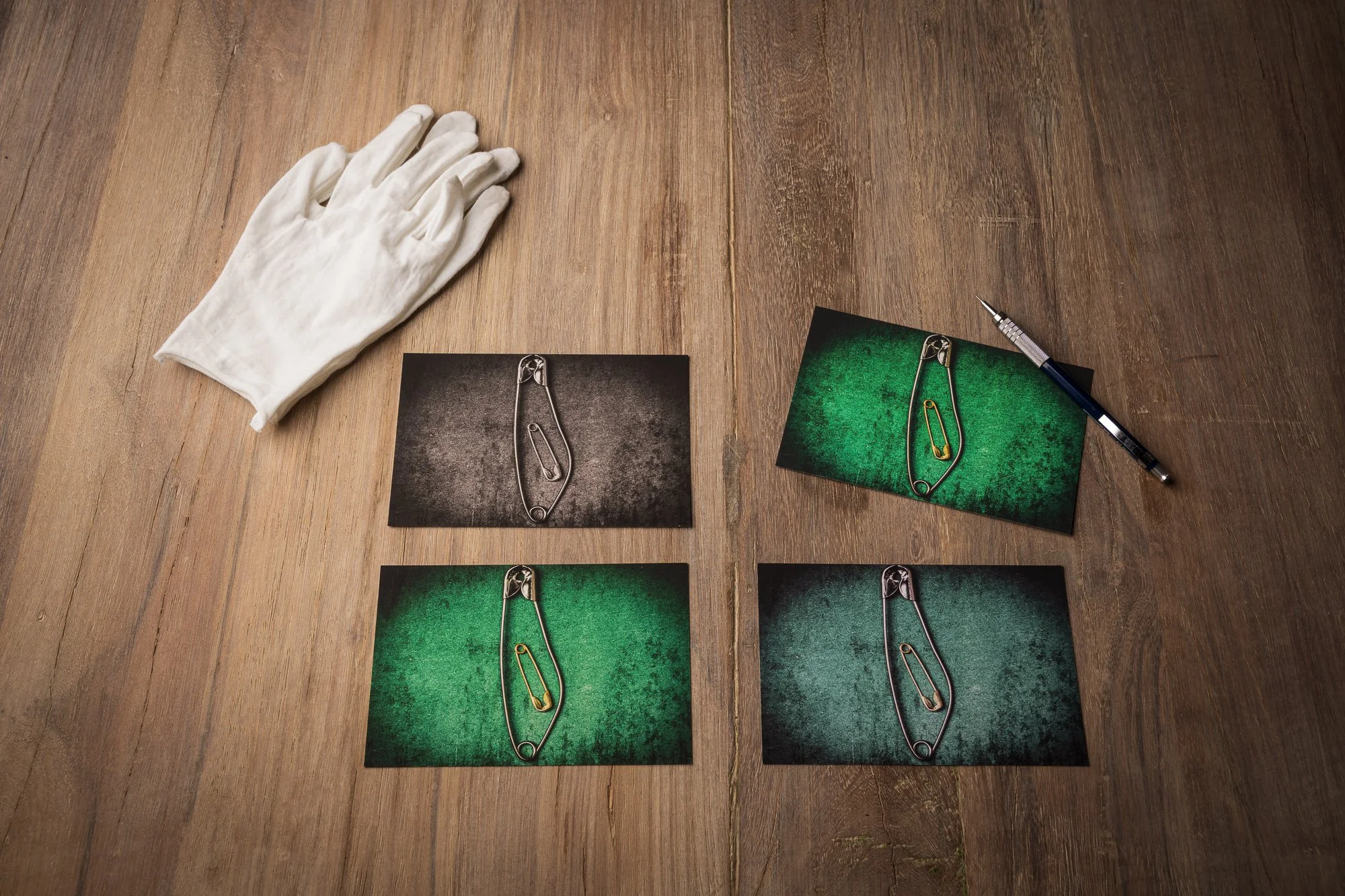
Four interpretations of one photograph. Printing makes differences in tone and color easier to judge.
The Print Teaches the Photographer
A monitor emits light, while paper reflects it. A screen can appear brighter, sharper, and more saturated than the physical image. When the photograph moves from one medium to the other, tone, contrast, color, detail, and scale begin to behave differently.
For that reason, a print should not be treated only as the final result of editing. It is also a tool for continuing the edit.
Photographers who print regularly begin to anticipate these differences. They learn how shadows behave on paper, how subtle tonal separations can disappear, and how sharpening changes with size. They become more attentive to borders, proportions, and the distance from which an image will be viewed.
The process develops judgment. It also slows the photographer down long enough to ask a more important question: does the photograph continue to hold attention after the initial excitement of making it has passed?
A successful print can withstand repeated viewing. It reveals relationships gradually and gives the eye a reason to return.
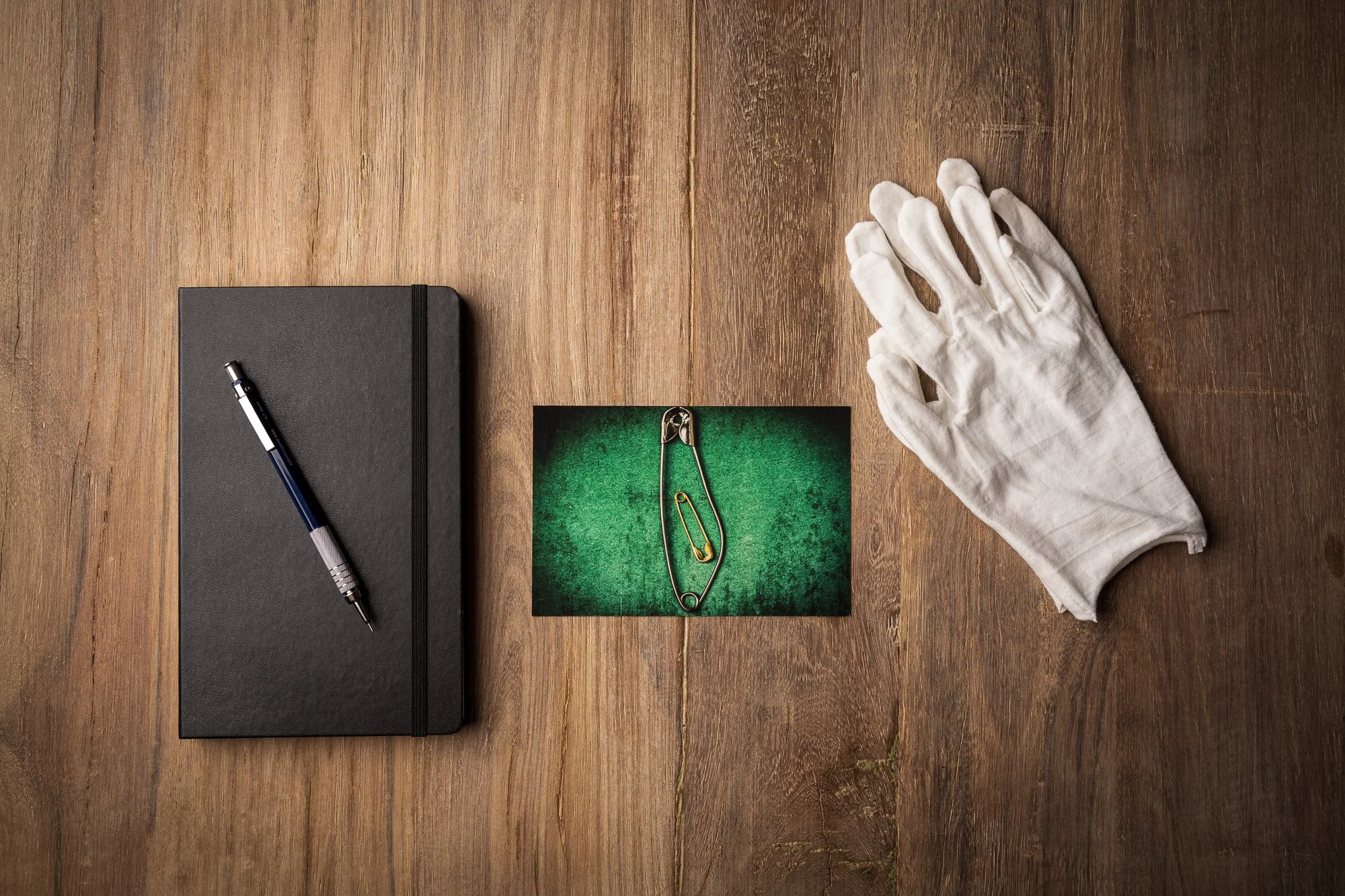
Looking, evaluating, and refining are part of the work of making a print.
Scale Changes Meaning
A photograph does not communicate in exactly the same way at every size.
A small print can feel private. It invites the viewer to move closer and engage with the image almost as if reading a letter.
A larger print can become environmental. It occupies more of the viewer's field of vision and establishes a stronger presence within the room.
Neither scale is automatically more important. The appropriate size depends on the photograph and the experience it is meant to create.
Some images become more powerful when restrained. Others need enough space for their details, gestures, or landscapes to unfold. Printing allows the photographer to discover that relationship instead of assuming it.
Material Carries Meaning
Paper is not a neutral surface.
A textured matte sheet can soften transitions and give an image a quieter presence. A smooth paper can preserve crisp edges and fine detail. A warmer base may complement one photograph while changing the character of another. Even the border around an image affects how the photograph is contained and approached.
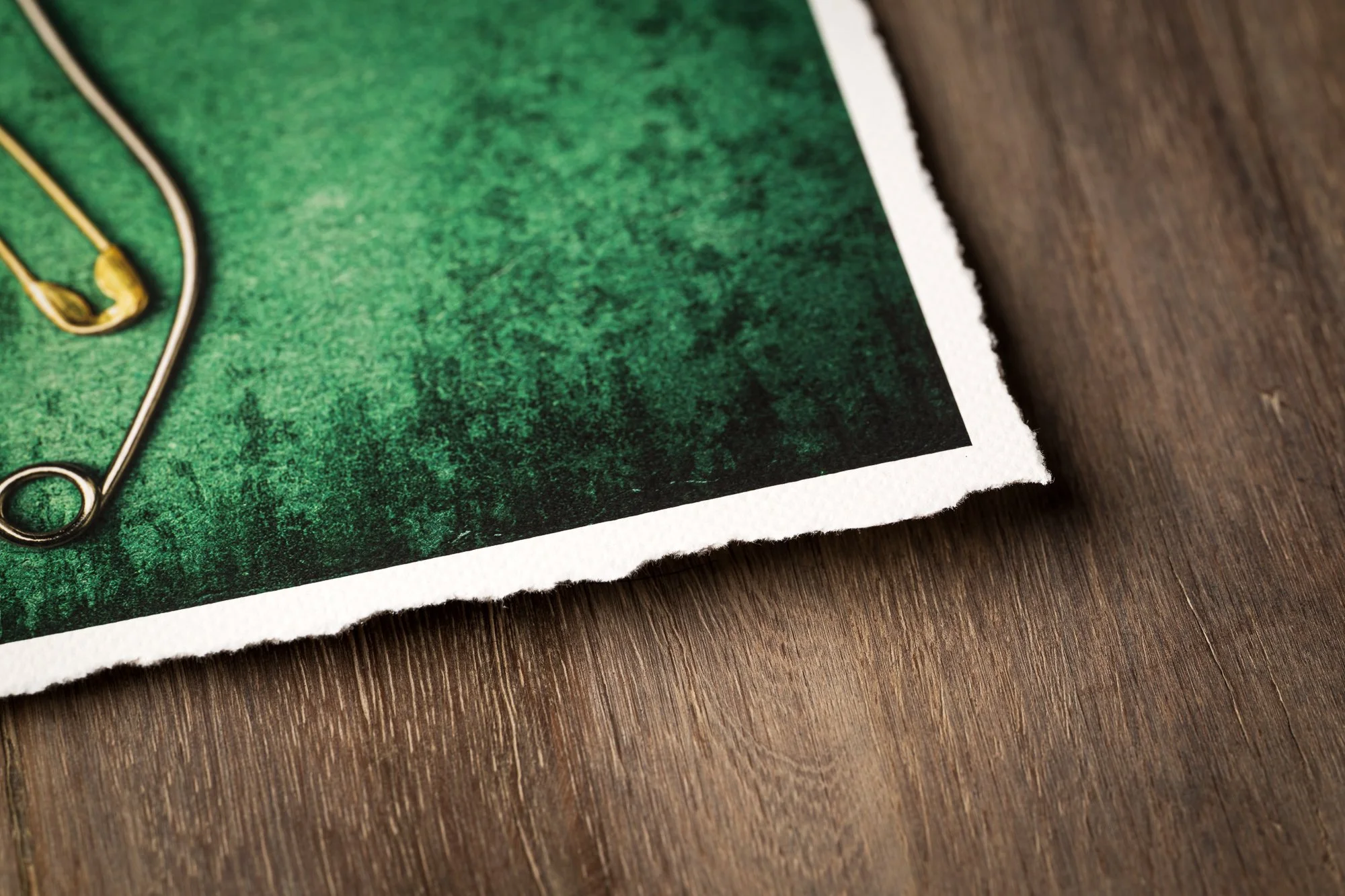
A deckled paper edge makes the material of the print visible.
Presentation introduces another set of decisions. A borderless print allows the image to extend to the edge of the sheet. A generous border creates separation between the image and its surroundings. A deckled edge makes the character of the paper itself more visible. Each choice changes how we approach the photograph.
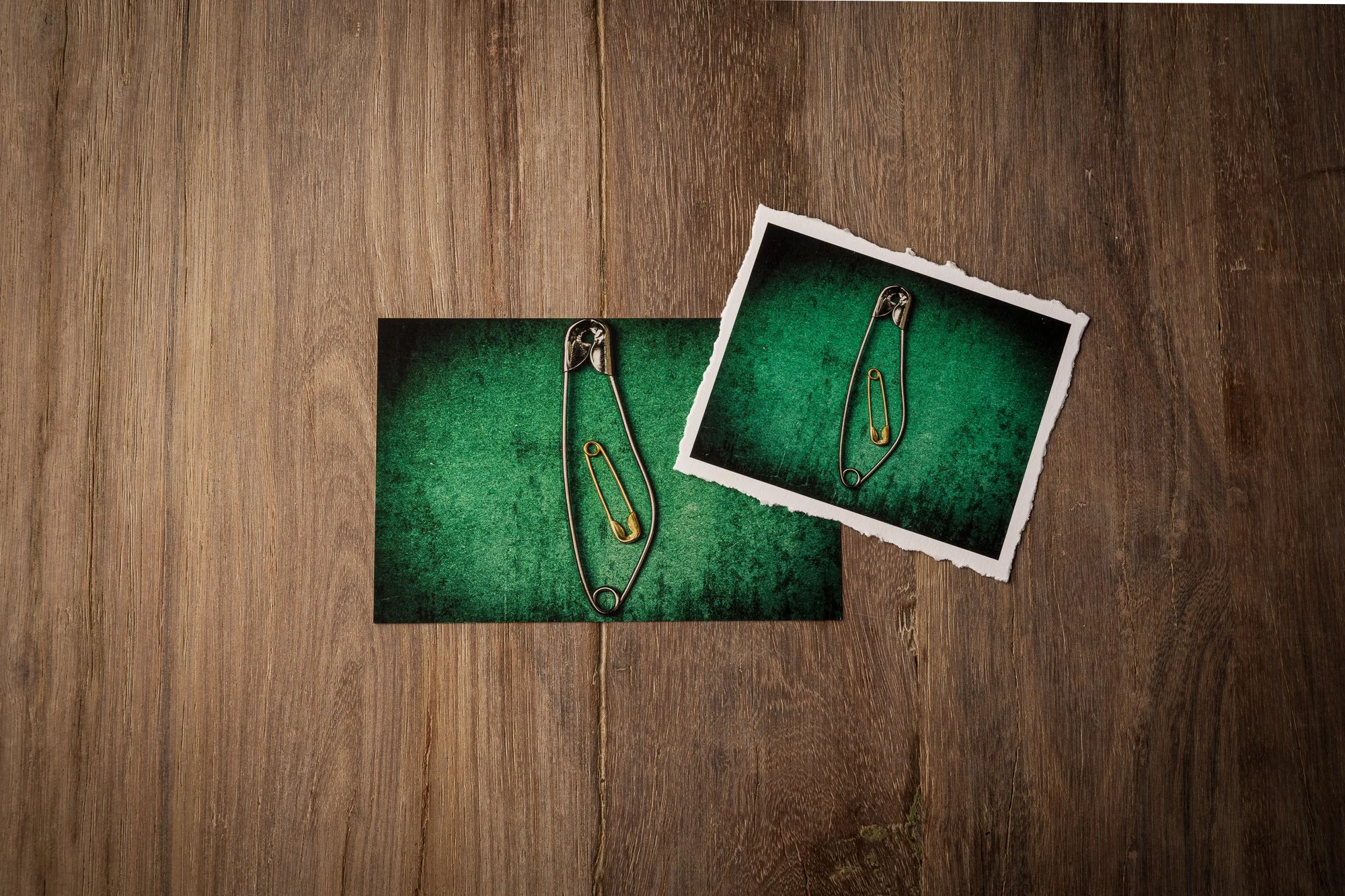
The same photograph in two presentations: borderless and with a deckled paper edge.
These choices should serve the work rather than draw attention to themselves. The goal is to find a physical form that supports what the photograph is trying to communicate.
When material, scale, and image are considered together, the print becomes the intended form of the photograph rather than a simple reproduction of a file.
An Object Worth Keeping
Printing is sometimes described as an act of nostalgia, but its value is not limited to preserving the past. A print gives a photograph a place in the present.
It can remain visible instead of disappearing into an archive. It can become part of a home, studio, classroom, or collection. It can gather associations over time and continue to be encountered in different light, at different distances, and during different periods of a person's life.
Digital files can be duplicated perfectly, but they are often encountered temporarily. A physical print carries evidence of handling, presentation, ownership, and care.
Some photographs begin with a particular person or occasion in mind. Their meaning includes not only what is visible in the frame, but also why they were made and the circumstances in which they were shared.
Its vulnerability matters. The print can be damaged, so we decide whether to protect it. It occupies space, so we decide where it belongs. Producing it requires a choice, which gives the selection weight.
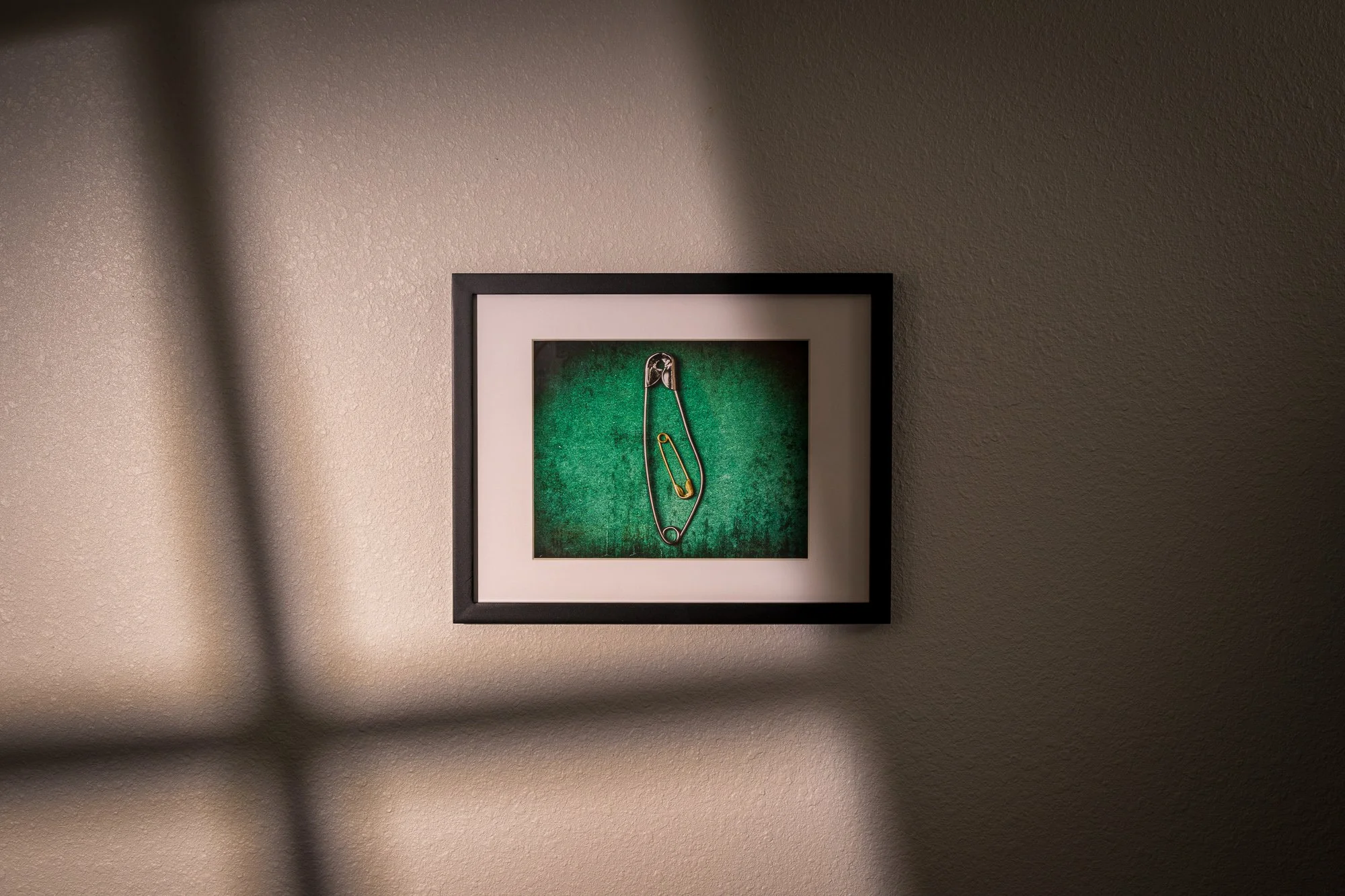
Framed and placed in a room, a photograph takes on a physical presence.
A Practice
Choose one photograph from your recent work.
Do not begin with the image that received the most attention online. Choose the photograph that continues to hold your attention after the excitement of making it has passed.
Print it at a modest size. Live with it for several days. Place it somewhere you will encounter it naturally. Look at it in morning light and evening light. View it from across the room and from close enough to see the surface of the paper.
Notice where your eye goes first. Notice where it returns. Notice what becomes stronger and what begins to feel unnecessary.
Then make another print. Change only what the first print taught you to change.
The purpose is not simply to produce a finished object. The physical print helps us understand the photograph more clearly. It moves the image out of the digital stream and gives it boundaries, scale, and a place to exist. Once it occupies that space, we can return to it and decide whether it deserves to remain.